A No-Nonsense Guide to Crypto Perpetuals and Perp DEXs
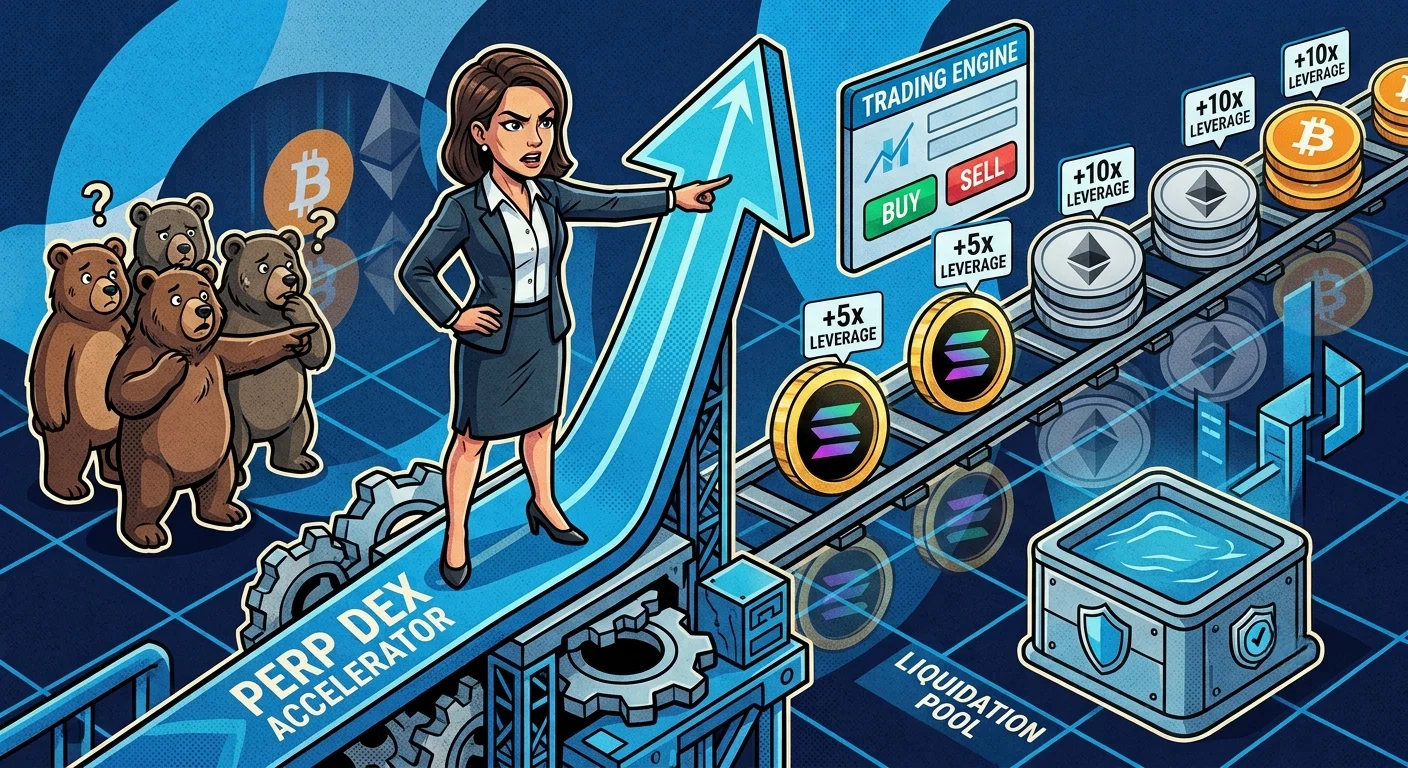
Perpetual futures contracts (perps) have become the go-to tool for crypto traders looking to speculate on price movements without the hassle of traditional expiry dates. If you want to trade with leverage while maintaining complete flexibility, perps are the primary mechanism used in the market today.
Here is a straightforward breakdown of how perpetuals work, how they differ from other trading methods, and the decentralized platforms dominating the space.
What Are Perpetual Contracts?
A perpetual contract is a derivative financial instrument that tracks the price of an underlying asset. Unlike traditional futures, perps never expire. You can hold a position open indefinitely, provided you maintain enough collateral to support it.
While primarily used for major cryptocurrencies like Bitcoin ($BTC$) and Ethereum ($ETH$), modern protocols are increasingly expanding into synthetic perps for real-world assets like gold and foreign currencies.
Perpetuals vs. Spot Trading
Spot trading involves buying or selling the actual crypto asset for immediate delivery. When you buy spot, you own the asset outright.
With perps, you do not own the underlying token. Instead, you trade a contract representing its value. This allows you to utilize high leverage—controlling a large position with a fraction of the capital (initial margin)—and easily short the market to profit from falling prices.
Core Mechanisms: How Perps Work
To trade perpetuals effectively, you need to understand three core mechanics:
1. Funding Rates
Because perps have no expiry date, they use a dynamic fee system called the funding rate to prevent the contract price from drifting too far from the actual spot price.
- Positive Funding: When the perp price is higher than the spot price, long traders pay a fee to short traders.
- Negative Funding: When the perp price is lower than the spot price, short traders pay long traders.
These payments occur at regular intervals (typically every hour or every 8 hours) directly between market participants.
2. Leverage and Margin
To open a trade, you deposit collateral known as initial margin. Leverage multiplies your buying power. For example, depositing $1,000 using 10x leverage opens a $10,000 position. While this amplifies potential gains, it equally amplifies losses.
3. Liquidations
If the market moves against your position and your collateral drops below the required maintenance margin, the exchange will trigger an automatic liquidation. The platform closes your position to protect its own solvency, resulting in the loss of your deposited margin. Higher leverage leaves a much smaller safety margin before liquidation occurs.
The Rise of Decentralized Perp DEXs
Historically, perp trading was dominated by Centralized Exchanges (CEXs) like Binance and OKX. However, Perpetual Decentralized Exchanges (Perp DEXs) have grown rapidly, offering non-custodial trading where users maintain full control of their funds directly from their crypto wallets.
Key Differences: Perp DEXs vs. CEXs
- Custody: CEXs hold your funds on their private servers; DEXs let you trade directly from your software or hardware wallet.
- Transparency: DEXs handle liquidations, pricing, and funding rates transparently via on-chain smart contracts and oracles.
- KYC Requirements: CEXs require identity verification; most DEXs allow you to trade using only an active wallet connection.
Top Decentralized Perp Platforms
The on-chain perpetual landscape features several high-performance platforms built to compete directly with centralized order execution speeds:
- Hyperliquid: A dedicated Layer 1 blockchain optimized for fast, low-fee order book execution. It features deep liquidity, advanced order types, and billions in daily trading volume.
- Aster: Operating across multiple chains (including BNB Chain and Solana), Aster integrates zero-knowledge infrastructure to mitigate front-running and offers a yield-optimized collateral system.
- Lighter: Built as a zk-rollup on Ethereum, Lighter delivers a familiar central-limit order book experience while preserving full on-chain verifiability and self-custody.
- EdgeX: Developed via StarkEx rollup technology, this platform focuses on high-throughput trade processing (up to 200,000 orders per second) with professional-grade risk management features.
- Avantis: An oracle-based perpetual protocol built on Base. Instead of a traditional order book, it utilizes a specialized USDC liquidity provider vault model to facilitate crypto, forex, and commodity trades.
Risk Warning
Perpetual trading involves substantial financial risk. The combination of high leverage and crypto market volatility can result in rapid capital depletion. Ensure you understand funding costs, liquidation thresholds, and proper position sizing before allocating real capital.