What the “honeypot” flag really means on EVM
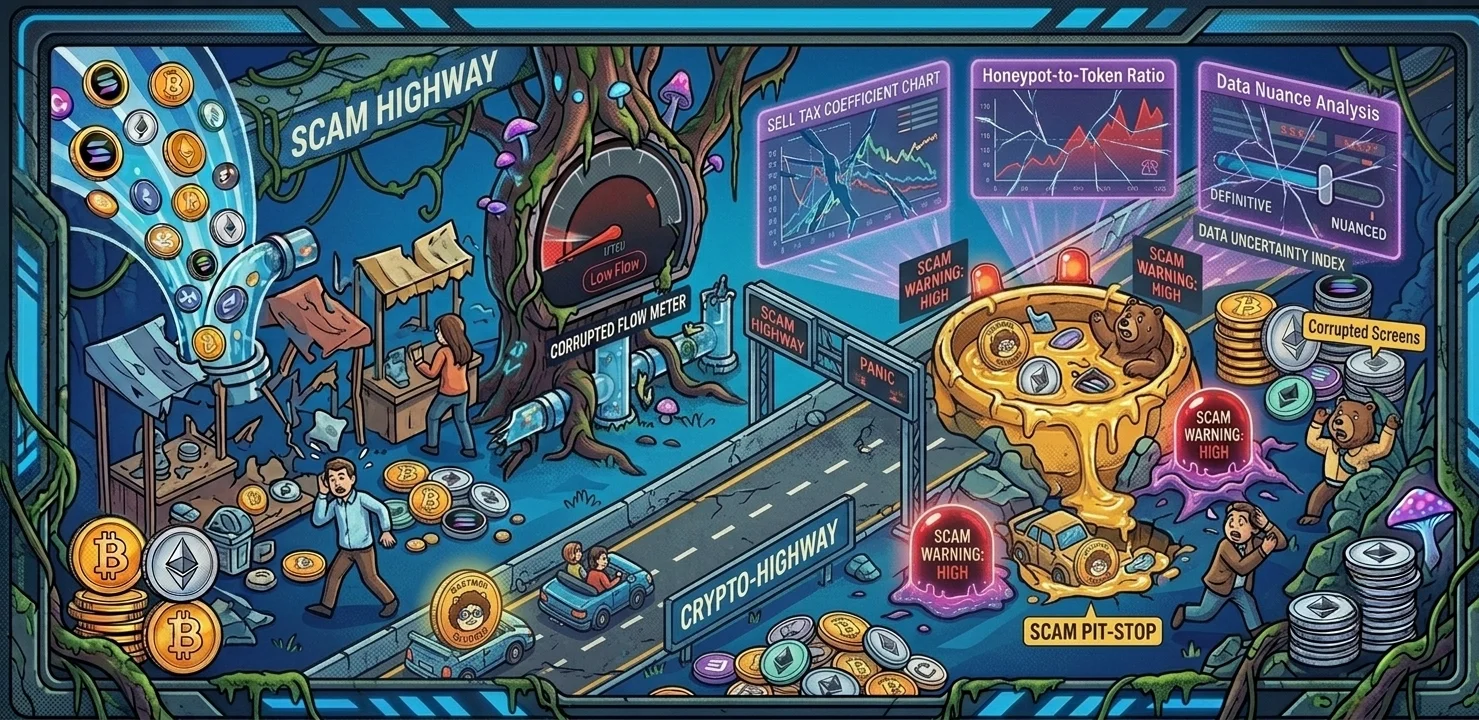
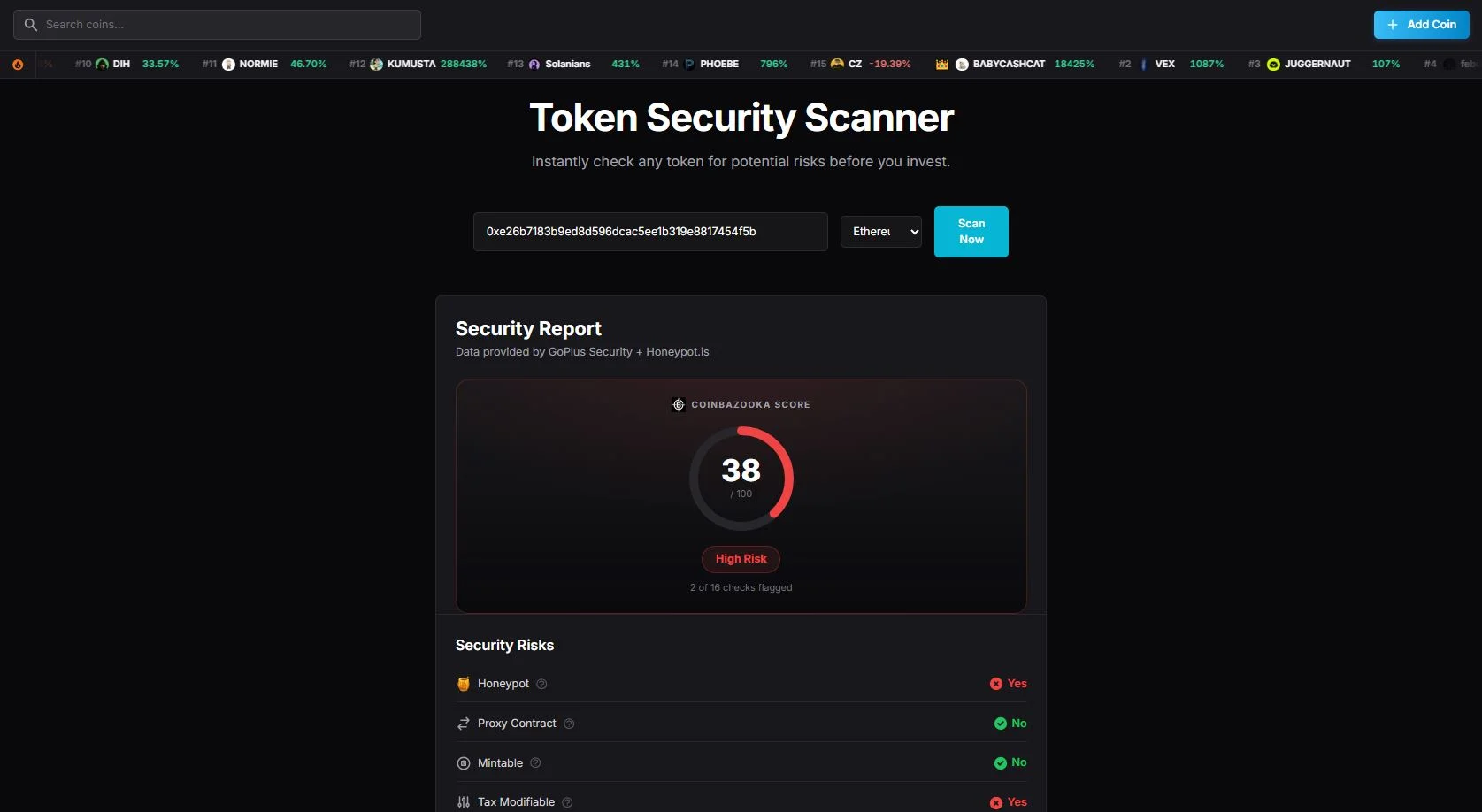
8.94% of the 4,317 EVM‑scanned tokens were flagged as unsellable at the moment of scanning. You might have seen that number on a token tracker and assumed the contract is a honeypot. The reality is more nuanced. A flag simply means the scanner could not confirm a sell transaction under its test parameters, not that the contract will always block sales. In the same dataset, 1.99% of tokens charge a sell tax of 99% or more, which looks similar but works differently. Both signals appear in the same scan, yet they answer different questions. Understanding the distinction saves you from misreading a warning and missing a legitimate opportunity.
The unsellable flag many chase
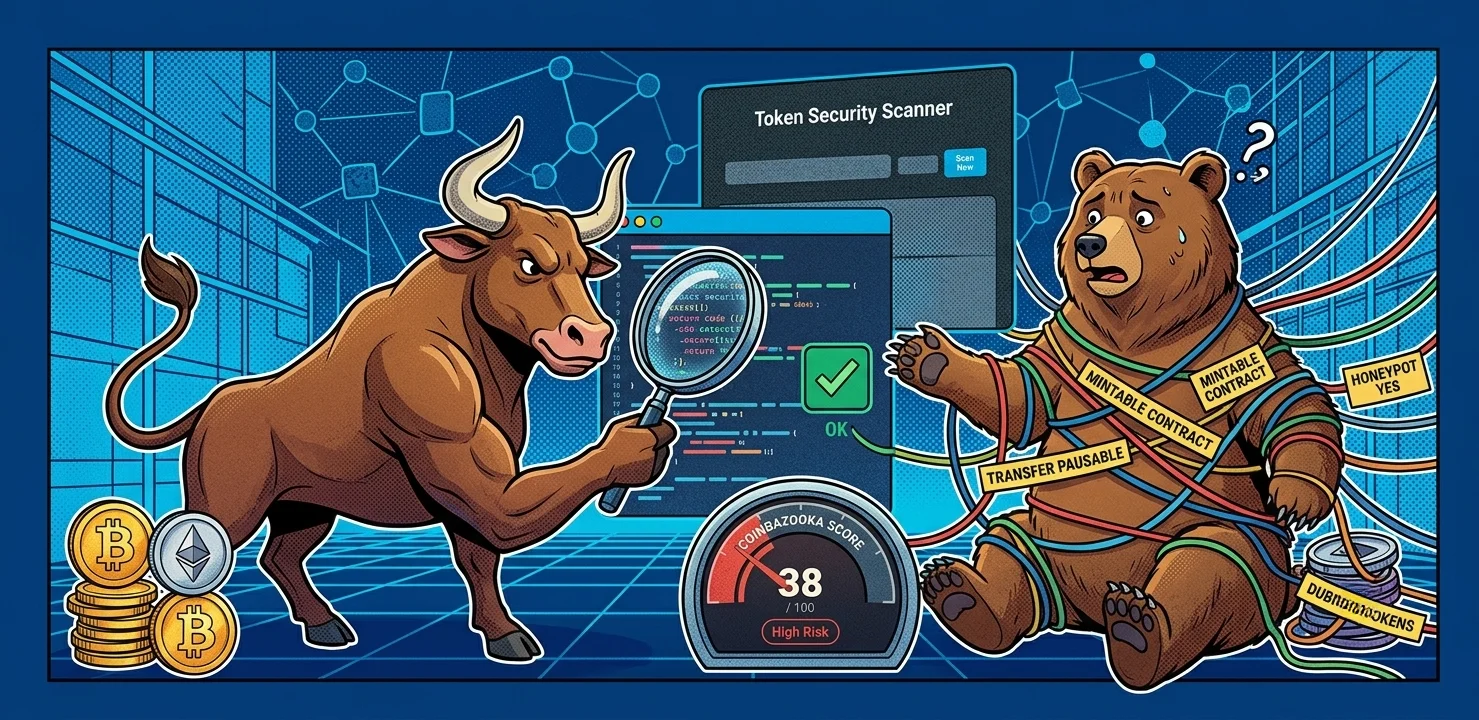
When a scanner marks a token as unsellable, traders often shout “honeypot!” and avoid it. The flag comes from an automated test that tries to execute a sell transaction from a fresh wallet. If the test fails, the token receives the unsellable label. That failure can happen for many technical reasons: a missing liquidity pair, a paused router, or a contract that requires a minimum holding period. It does not prove the contract will block every future sell.
You see the label and assume the worst. You see a red icon and walk away. The flag is a symptom, not a diagnosis. It tells you the scanner couldn’t verify a sell, not that the code is designed to trap sellers.
Short sentence works.
What the flag really tells you
The unsellable status is a binary outcome of a single test. It says nothing about tax rates, liquidity depth, or future contract upgrades. A token could be unsellable today because its liquidity pool has not been created yet, but later the developers add the pool and sales succeed. Conversely, a token that passes the test today might later add a high tax that effectively discourages selling.
Because the test runs on a snapshot, it cannot predict changes in contract state. The data cannot tell us whether a token’s owner will later withdraw liquidity or modify the tax logic. It merely records the contract’s behavior at one point in time.
That is all.
Sell tax vs true honeypot
High sell taxes look like honeypots but work differently. In the scan, 86 tokens (1.99% of the 4,317) charge a sell tax of 99% or more. A holder who sells receives under one percent of the trade value before slippage. The token still allows the transaction; it just drains almost all of the proceeds. That is a tax, not a block.
A classic honeypot blocks the transaction entirely, often by reverting the call. The unsellable flag captures that possibility, while the tax figure captures the fee level. Both can make exiting costly, but only the former stops the sale outright.
Both signals appear in the same data set.
Chain distribution of the findings
The 4,317 EVM‑scanned tokens are spread across several chains. BNB Chain holds the largest share with 3,065 tokens, followed by Ethereum with 938, Base with 205, Polygon with 44, and Arbitrum with 33. Because all of these chains share the ERC‑20 standard, the scanner applies the same rules to each.
When you look at the unsellable flag, it applies uniformly across those chains. The same is true for the 86 tokens with a 99%+ sell tax. The distribution tells you that most of the data comes from BNB Chain, so any overall percentage is heavily weighted by that ecosystem.
Numbers matter.
Why Solana looks different
Solana’s SPL token standard does not support transfer taxes. All 444 Solana tokens scanned returned no transfer tax value. That means the classic honeypot check that looks for a sell‑side tax simply cannot exist on Solana. Instead, the risk comes from liquidity control and mint authority. If the mint authority is still active, the creator can mint unlimited new supply, diluting existing holders. If liquidity is not locked or burned, the creator can withdraw the pool at any time.
The database does not record those Solana‑specific signals, so we cannot quantify how many tokens have open mint authority or unlocked liquidity. That analysis covers only 444 tokens, a sample below 500, so the picture is limited.
Remember this.
Signals you can trust right now
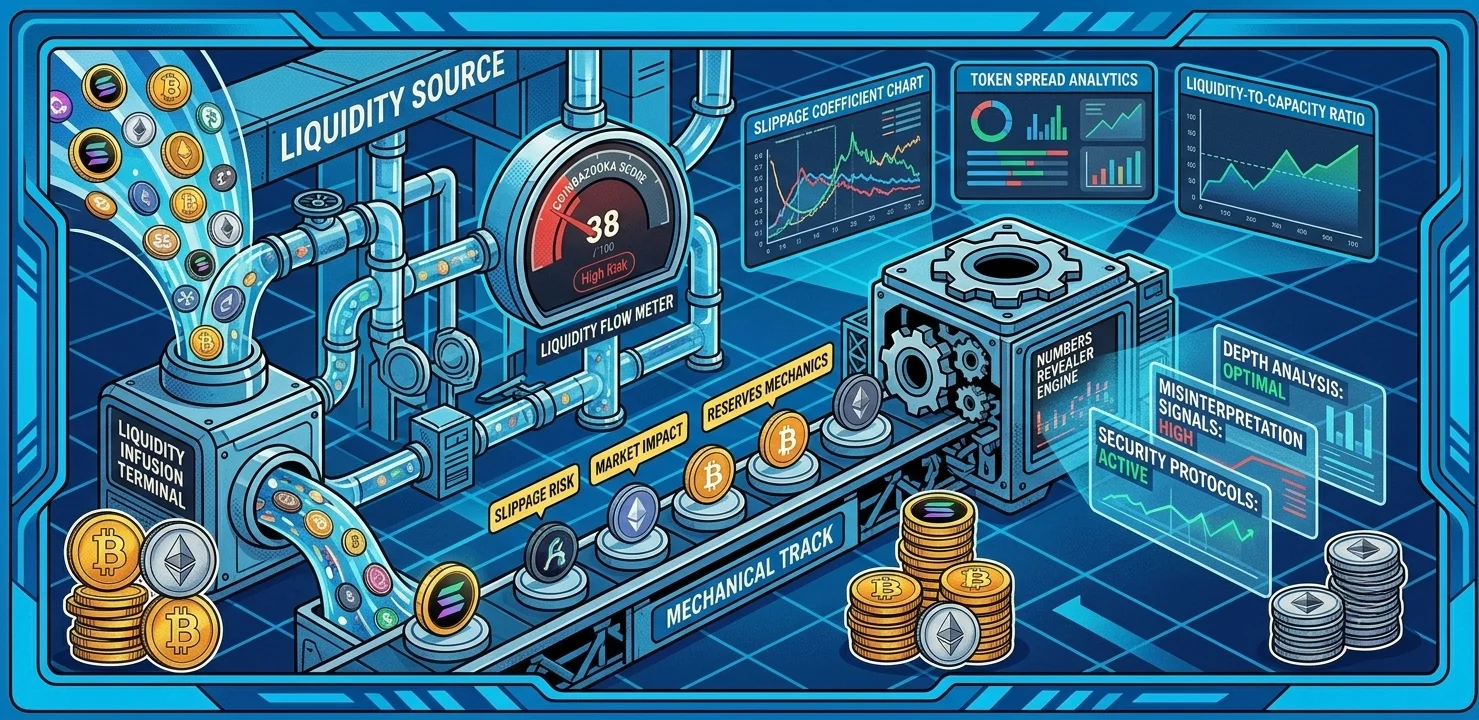
Given the data, the most reliable on‑chain signals are the explicit sell‑tax percentages and the unsellable flag from the EVM scanner. A token with a 99%+ sell tax will let you sell, but you will keep almost nothing. A token flagged unsellable may still become sellable once liquidity is added.
On Solana, focus on whether the liquidity pool is locked or burned and whether mint authority has been revoked. Those are the mechanisms that can trap a seller, even though the scanner does not capture them.
Use the numbers, but also understand their limits.
CoinBazooka scans contract properties, not intent. A contract that passes every check can still lose value, and a contract that fails one can still be legitimate. Nothing here is financial advice.